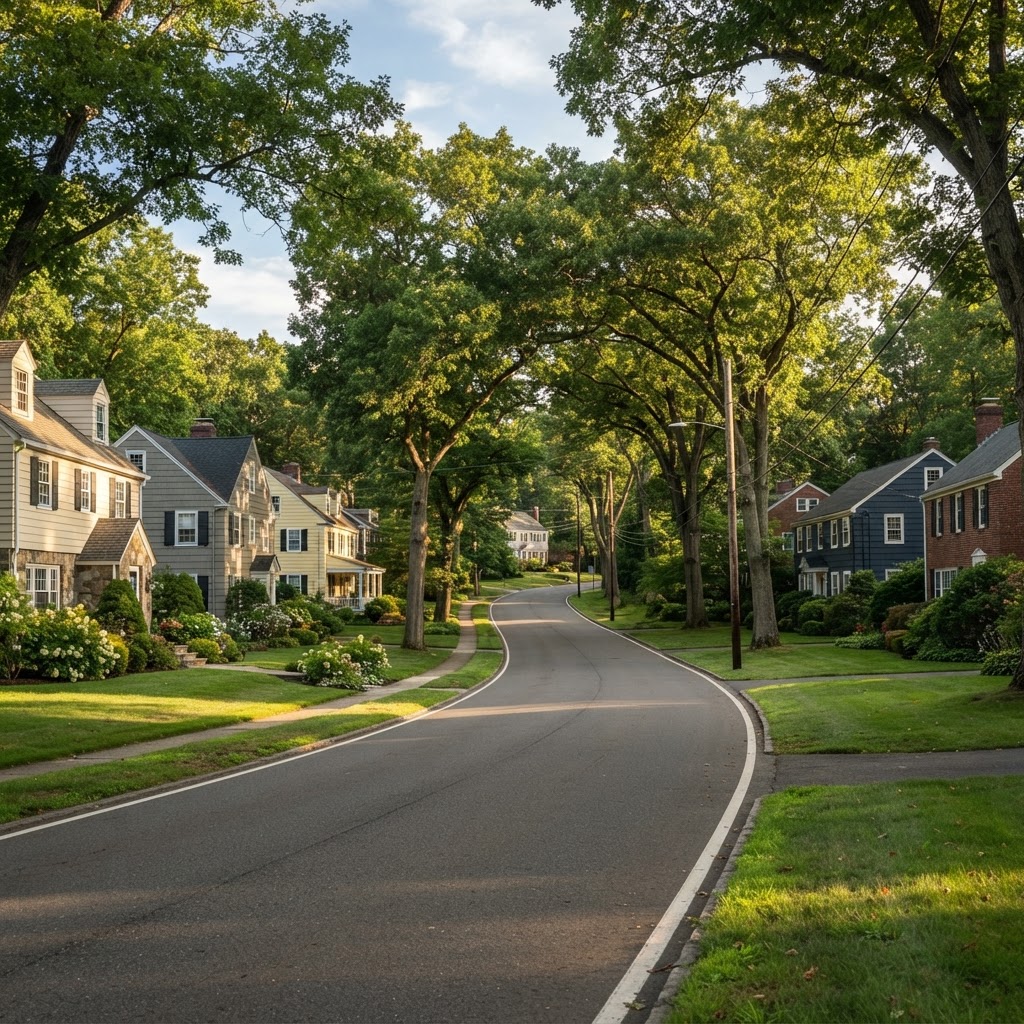
Trumbull, Connecticut
Established neighborhoods, extensive parks, strong regional access, and a suburban rhythm that keeps everyday life close without feeling urban.
Trumbull is less about one postcard-perfect center and more about how the whole town works together: residential neighborhoods, schools, parks, recreation, local commercial areas, and major-road access that keeps Bridgeport, Stratford, Shelton, Fairfield, New Haven, Danbury, and lower Fairfield County within practical reach.
Explore Trumbull ↓Trumbull feels practical before it feels performative.
Trumbull is the kind of town whose advantages become clearer when you imagine living through an ordinary week.
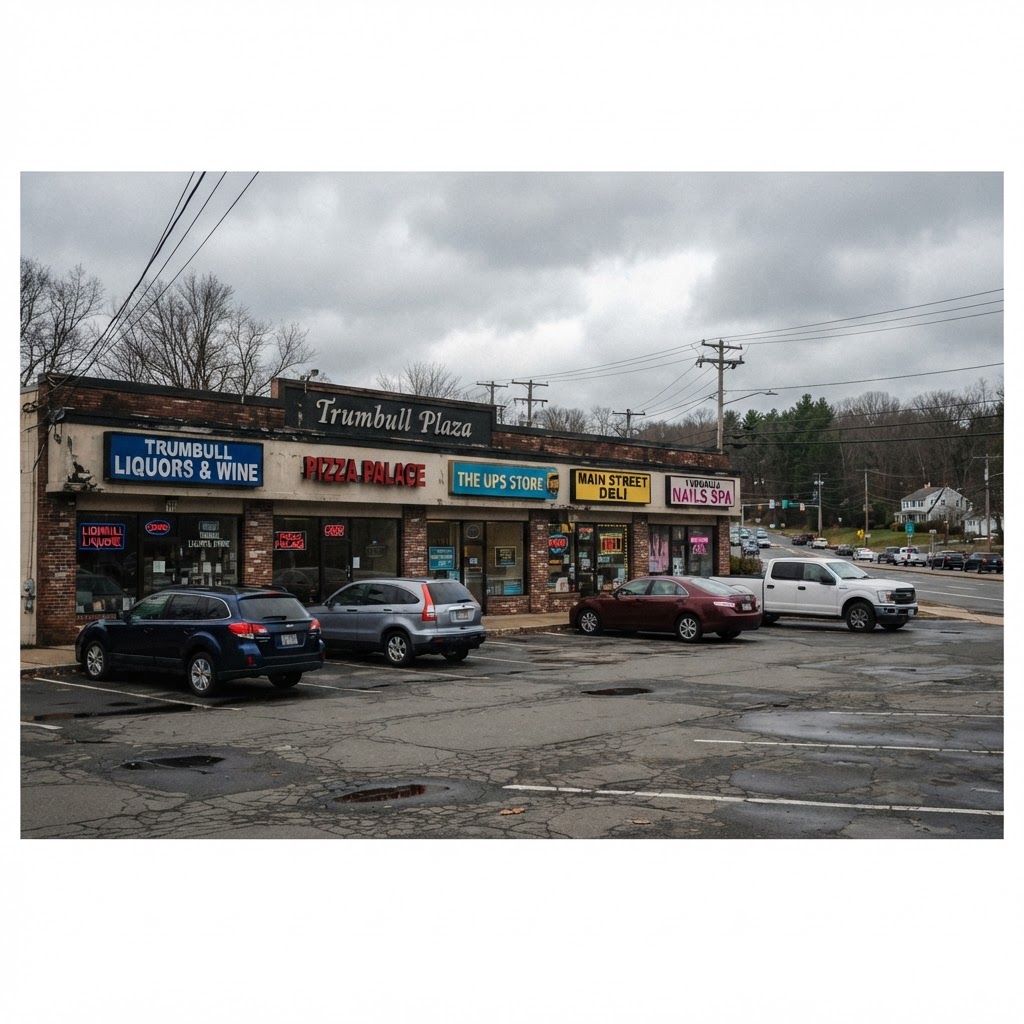
Some Connecticut towns make their identity through a compact center. Trumbull works differently. Its character is distributed across neighborhoods, parks, schools, long residential roads, recreation facilities, historic village areas, and commercial corridors rather than concentrated in one dominant downtown.
That gives the town a particular kind of livability. A day here may move between school, a park, a trail, a grocery run, a sports field, a restaurant, and home without ever feeling like you have entered a dense urban environment. The town’s own recreation system reinforces this: Trumbull maintains 20 parks, extensive athletic facilities, multiple pools, golf, courts, playgrounds, and a large network of open space.
The older village names still matter to Trumbull’s identity. The town’s history traces its formation through Unity, Long Hill, and the area historically associated with Nichols, reflecting a settlement pattern that predates the suburban community visible today.
The result is a town that often appeals less through spectacle than through function: space, recreation, schools, established housing, and access stitched together into a highly usable everyday environment.
Trumbull, in context.
A quick orientation before we look more closely.
U.S. Census Bureau July 1, 2025 estimate.
Census Bureau 2020–2024 ACS estimate.
Town of Trumbull Board of Finance.
Town reports 1,600+ acres of recreational and open-space land.
Market information updated August 2026.
What draws people here.
STRONG REGIONAL ACCESS
Trumbull sits in a useful position between Bridgeport, Stratford, Shelton, Monroe, Fairfield, and the Route 8 / Route 15 regional network, making it practical for households whose lives extend across more than one part of southwestern Connecticut.
RECREATION IS PART OF THE TOWN’S INFRASTRUCTURE
Parks, trails, athletic fields, pools, golf, courts, playgrounds, and open space are not peripheral amenities here. They are a significant part of how Trumbull is built and used.
ESTABLISHED RESIDENTIAL CHARACTER
Trumbull’s neighborhoods feel settled rather than newly assembled. Mature trees, detached homes, older roads, postwar neighborhoods, later subdivisions, and a broad range of single-family housing give the town visual continuity without making every area feel identical.
ACCESS TO NATURE WITHOUT LEAVING TOWN
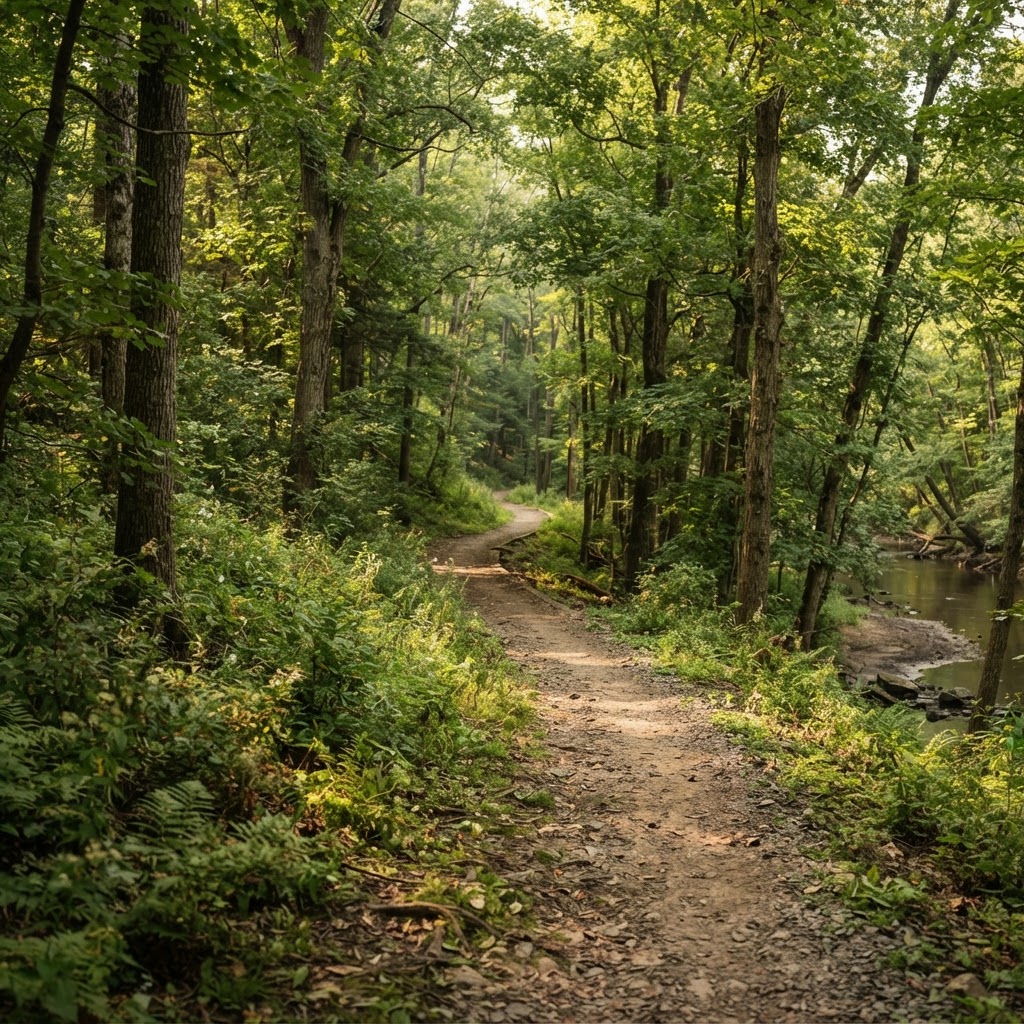
The Pequonnock River Valley creates a substantial trail and outdoor corridor within Trumbull, including a former railroad-bed route and more challenging ridge trails.
A HIGHLY OWNER-OCCUPIED HOUSING PATTERN
Trumbull is overwhelmingly owner-occupied, which reinforces its strongly residential character and the importance of single-family neighborhoods within the town’s identity.
EVERYDAY USEFULNESS
Trumbull works particularly well for someone who values a house, yard, recreation, schools, and practical regional access more than a dense downtown lifestyle.
Trumbull is organized around the day-to-day.
Life in Trumbull tends to move through a network rather than one central destination. School campuses, neighborhood roads, parks, athletic facilities, shopping areas, municipal services, and regional routes all play a role in the everyday pattern.
That makes the town feel highly functional. A household may spend a Saturday morning at a sports field or trail, head to errands or lunch, stop at a park, and return home without needing to enter a dense city environment.
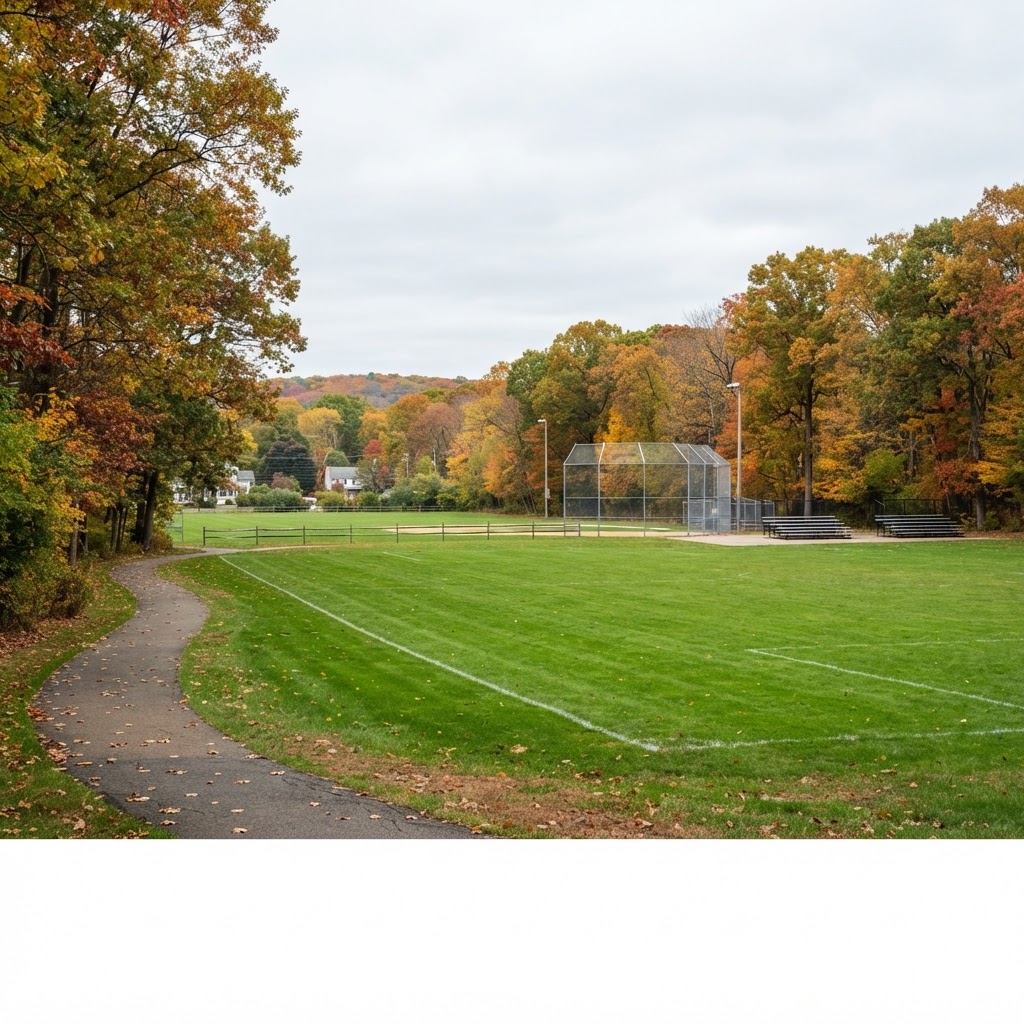
The parks system has an outsized presence in that rhythm. Trumbull’s official recreation materials list public golf, pools, tennis, pickleball, basketball, volleyball, sports fields, playgrounds, natural swimming areas, and extensive trail access.
The tradeoff is that most of this life is driving-oriented. Trumbull offers convenience through proximity and road access rather than through a compact walkable center.
Trumbull feels less like a destination town and more like a town designed to make daily life work.
Green space is woven into the town rather than pushed to its edge.
Trumbull’s suburban development exists alongside an unusually large recreational and open-space network. The town reports more than 1,600 acres of town-owned recreational and open-space land, while the Pequonnock River Valley creates a significant natural corridor through the community.
That means the town’s residential identity is not simply streets and subdivisions. Parks, wooded areas, trails, athletic complexes, and preserved land interrupt and soften the built environment.
Connecticut Lifestyle & Homes Place Profile
Connecticut Lifestyle & Homes editorial place profile — qualitative, not a statistical rating.
Trumbull has several centers of activity rather than one single center of gravity.
Trumbull’s daily geography is distributed. Long Hill, Nichols, Tashua, the Main Street corridor, parks, schools, shopping areas, and civic facilities each contribute to how the town is experienced.
That structure reflects its history. The present town developed from earlier settlements including Unity and Long Hill before becoming Trumbull in the 18th century.
Today, local life is less about strolling one downtown block and more about knowing the network: where you play, where you shop, where the schools are, which park you use, which neighborhood you live in, and which road gets you where you need to go.
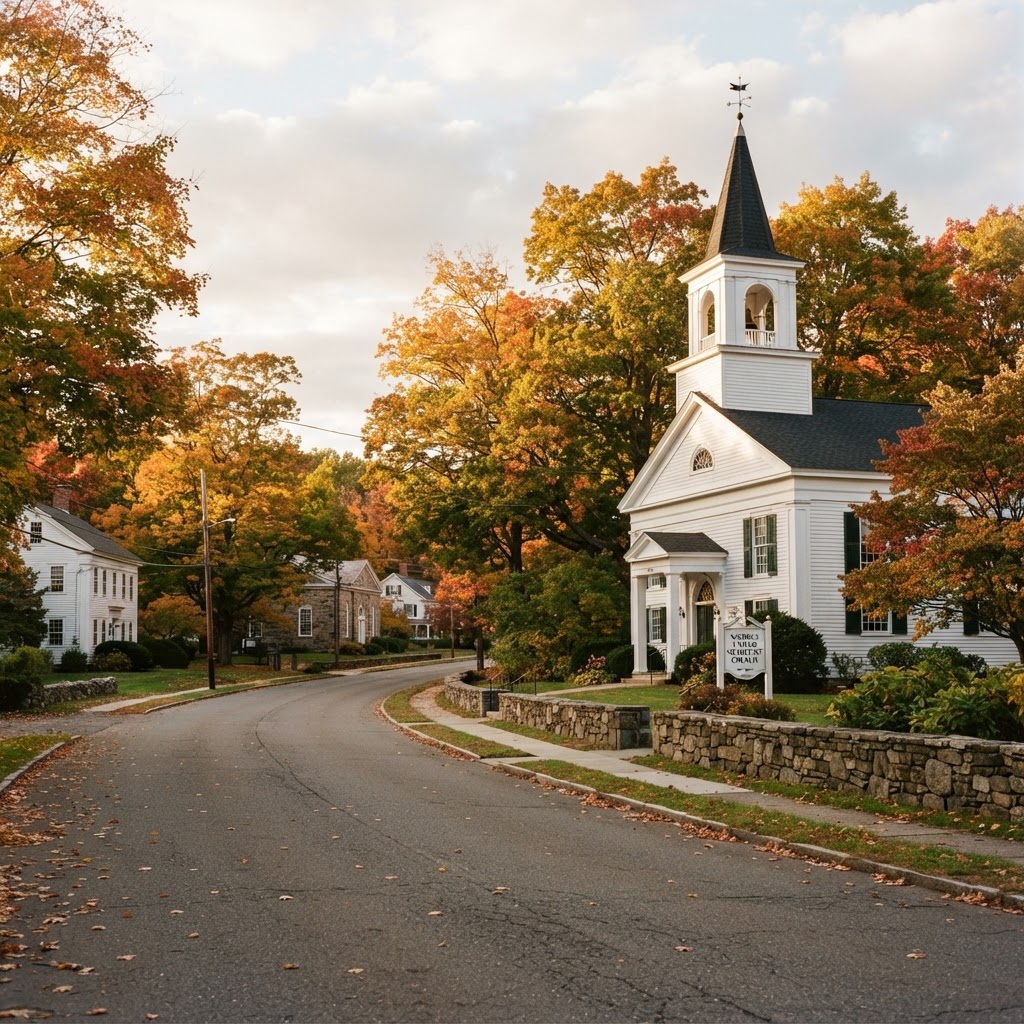
A FEW PLACES WORTH KNOWING
Pequonnock River Valley Park
OUTDOORS
Miles of river-valley trail with both a flatter former railroad-bed route and steeper ridge trails.
View →Tashua Knolls Golf Course
RECREATION
Public golf and recreation within the town’s broader athletic system.
View →Twin Brooks Park
RECREATION
A distributed park system supporting sports, walking, community events, and everyday outdoor use.
View →Trumbull Historical Society
HISTORY
A community resource preserving Trumbull’s long civic and domestic history.
View →The housing reflects decades of suburban growth rather than one architectural era.
Trumbull’s housing character is broad and established. Buyers encounter Capes, ranches, Colonials, split-levels, raised ranches, later subdivisions, larger traditional homes, renovated properties, and occasional newer construction across neighborhoods that developed at different points in the town’s growth.
That variation matters because two Trumbull homes at similar price points may offer very different tradeoffs in lot size, renovation quality, neighborhood location, commute convenience, square footage, school-boundary geography, and access to parks or major roads.
The town’s owner-occupied housing rate of 89.7% reinforces how strongly Trumbull’s identity is tied to long-term residential ownership.
CAPE
COMMONCompact traditional New England housing remains part of Trumbull’s established residential fabric.
RANCH
COMMONSingle-level and mid-century homes create meaningful alternatives to larger two-story properties.
COLONIAL / TRADITIONAL
VERY COMMONTraditional detached two-story homes are a major part of Trumbull’s suburban identity.
SPLIT / RAISED RANCH
AVAILABLEPostwar and later suburban development contributes practical housing with varied layouts and price points.
LARGER SUBURBAN / EXECUTIVE
SIGNIFICANTLarger traditional homes and later subdivisions become more prominent in higher price bands.
NEWER / RENOVATED
LIMITED BUT IMPORTANTRenovated or newer properties often carry a meaningful premium because they reduce the immediate project burden within an otherwise established housing stock.
What different price points may encounter.
ENTRY RANGE
Smaller detached homes, properties with condition tradeoffs, or less updated housing may dominate the lower end of the market.
CORE MARKET
Established single-family homes broaden considerably, with differences in neighborhood, size, renovation, lot, and layout becoming more important.
UPPER MARKET
Larger homes, stronger renovation quality, more desirable neighborhood positioning, and more substantial lots increasingly influence value.
DISTINCTIVE / HIGH-END
Size, condition, land, pools, custom renovations, newer construction, or particularly strong neighborhood locations become more meaningful value drivers.
Based on current Trumbull market activity. Inventory changes continuously.
Trumbull housing, right now.
WHAT THE NUMBERS MEAN
Trumbull's housing market reflects its established suburban character: a broad range of single-family homes, strong owner-occupancy, and meaningful variation in condition, renovation, and neighborhood positioning across price bands. Inventory, days on market, and sale-to-list dynamics should be evaluated alongside property-specific factors such as school boundaries, lot size, renovation quality, and access to parks or major roads. The town's 2026 revaluation — with new assessments taking effect on the October 1, 2026 Grand List — may influence pricing and tax context in the near term, making date labeling and property-level verification particularly important for buyers and owners.
How the market has moved.
MEDIAN SALE PRICE
CLOSED SALES
DAYS ON MARKET
Trend data will display when historical market records are published.
Trumbull ownership is suburban, but property-specific systems still matter.
Trumbull contains a mix of municipal and property-specific infrastructure, established housing, larger lots in some neighborhoods, and homes built across multiple decades. The ownership questions therefore change from property to property rather than town to town.
SEWER / SEPTIC CONTEXT
Trumbull has sewer infrastructure in portions of town, while some properties may rely on private septic systems. Verify service at the individual address rather than assuming town-wide uniformity.
WATER SERVICE
Water-service context should be verified at the property level, particularly where different parts of town may have different infrastructure arrangements.
OLDER HOME SYSTEMS
Postwar and established homes may contain systems, finishes, additions, or renovations completed across multiple decades. Roofing, electrical, heating, insulation, windows, drainage, and prior work deserve property-specific evaluation.
TREES + LANDSCAPE
Mature neighborhoods create shade and visual character while also introducing tree care, storm cleanup, drainage, leaf management, and exterior-maintenance considerations.
POOLS + RECREATION-ORIENTED HOMES
Pools and outdoor improvements can be meaningful lifestyle assets while adding seasonal maintenance and long-term ownership costs.
PROPERTY TAXES
Trumbull’s ownership-cost profile should include property taxes from the beginning of the buying decision rather than treating them as a secondary closing detail.
Taxes belong in the ownership calculation.
Trumbull is conducting a 2026 revaluation. New assessments take effect on the October 1, 2026 Grand List and will be used for taxes due beginning July 2027.
Illustrative calculation only. Verify property-specific assessment and tax information with the Town of Trumbull.
Understand Connecticut Property Taxes →Trumbull Public Schools
Trumbull Public Schools serves approximately 6,737 students and operates six elementary schools, two middle schools, and Trumbull High School within the district’s current structure.
ELEMENTARY
MIDDLE
HIGH SCHOOL
In Trumbull, recreation is part of the infrastructure.
The town’s recreation system is unusually extensive for a suburban community. Trumbull reports 20 parks and more than 1,600 acres of recreational and open-space land, alongside golf, pools, sports fields, tennis, pickleball, playgrounds, trails, and natural swimming areas.
PEQUONNOCK RIVER VALLEY
Miles of river-valley trail with both a flatter former railroad-bed route and steeper ridge trails.
TASHUA KNOLLS
Public golf and recreation within the town’s broader athletic system.
TWIN BROOKS + PARK NETWORK
A distributed park system supporting sports, walking, community events, play, and everyday outdoor use.
COURTS + FIELDS + POOLS
An unusually broad recreational mix spanning multiple sports and age groups.
Trumbull’s advantage is access in several directions.
Trumbull is a driving-oriented town, but its location provides multiple regional options. The wider transportation network includes Route 8, the Merritt Parkway / Route 15, I-95, and I-84 corridors, while nearby Bridgeport, Stratford, Fairfield, Shelton, Milford, New Haven, Danbury, and lower Fairfield County expand the employment and service geography around it.
Typical Drive Times
THE COMMUTE QUESTION
DRIVE TO BRIDGEPORT / SHELTON / STRATFORD
Short, practical drives to nearby employment and service centers without needing to enter a major highway system.
DRIVE TO LOWER FAIRFIELD COUNTY
Road access to Stamford, Norwalk, and the Route 15 / I-95 corridor for households whose work extends deeper into Fairfield County.
DRIVE TO RAIL + TRAIN / HYBRID CITY ACCESS
Nearby Bridgeport and Stratford Metro-North stations allow a drive-to-train commute toward New York City and along the shoreline.
Trumbull may make sense if...
You want a highly residential town with practical regional access.
You care more about how easily daily life works than having one dense downtown outside your front door.
Parks and recreation matter to your household.
You expect trails, sports fields, pools, courts, golf, and open space to be part of normal weekly life rather than occasional destinations.
You prefer established neighborhoods.
Mature trees, detached homes, long-settled streets, and housing built over multiple decades feel more appealing than predominantly new development.
You want space without moving deep into rural Connecticut.
You want a yard, suburban separation, and green surroundings while remaining closer to major employment and transportation corridors.
You value a strongly owner-occupied residential environment.
Long-term residential ownership is central to the town’s built character.
You are comfortable with a driving-oriented lifestyle.
You value access and proximity more than compact walkability.
Trumbull deserves a more careful second look if...
A compact walkable town center is essential.
Trumbull is distributed rather than centered around one dominant downtown.
Direct walk-to-train access is a priority.
Regional access is strong, but most trips begin by car.
You strongly prefer rural acreage.
Trumbull offers green space and larger properties in places, but its dominant identity is suburban rather than rural.
You want predominantly historic architecture.
Older village areas exist, but much of Trumbull’s housing character is postwar and later suburban development.
Every place comes with tradeoffs.
CONVENIENCE ↔ WALKABILITY
Trumbull offers strong day-to-day access, but most of it is organized around driving rather than a compact pedestrian center.
PARKS ↔ URBAN ENERGY
The town’s green space and residential form are strengths precisely because Trumbull does not feel like a denser urban environment.
ESTABLISHED HOMES ↔ AGE
A mature housing stock can mean more property-specific renovation and systems due diligence.
REGIONAL ACCESS ↔ DIRECT TRANSIT
Trumbull connects well by road, but direct rail access generally requires leaving town.
SUBURBAN SPACE ↔ MAINTENANCE
Detached homes, yards, mature trees, pools, and larger properties carry more ownership responsibility than lower-maintenance housing.
The question is not whether Trumbull has tradeoffs. It is whether they are the tradeoffs you want.
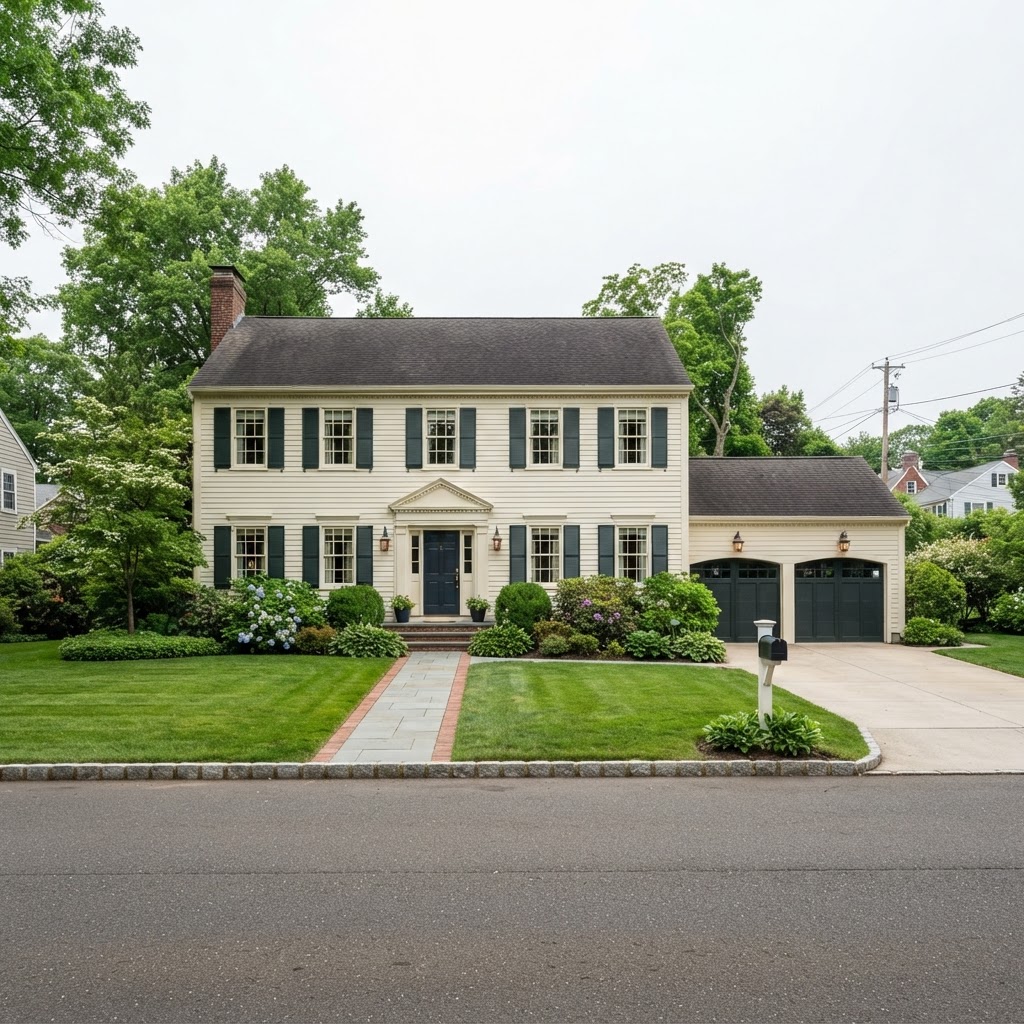
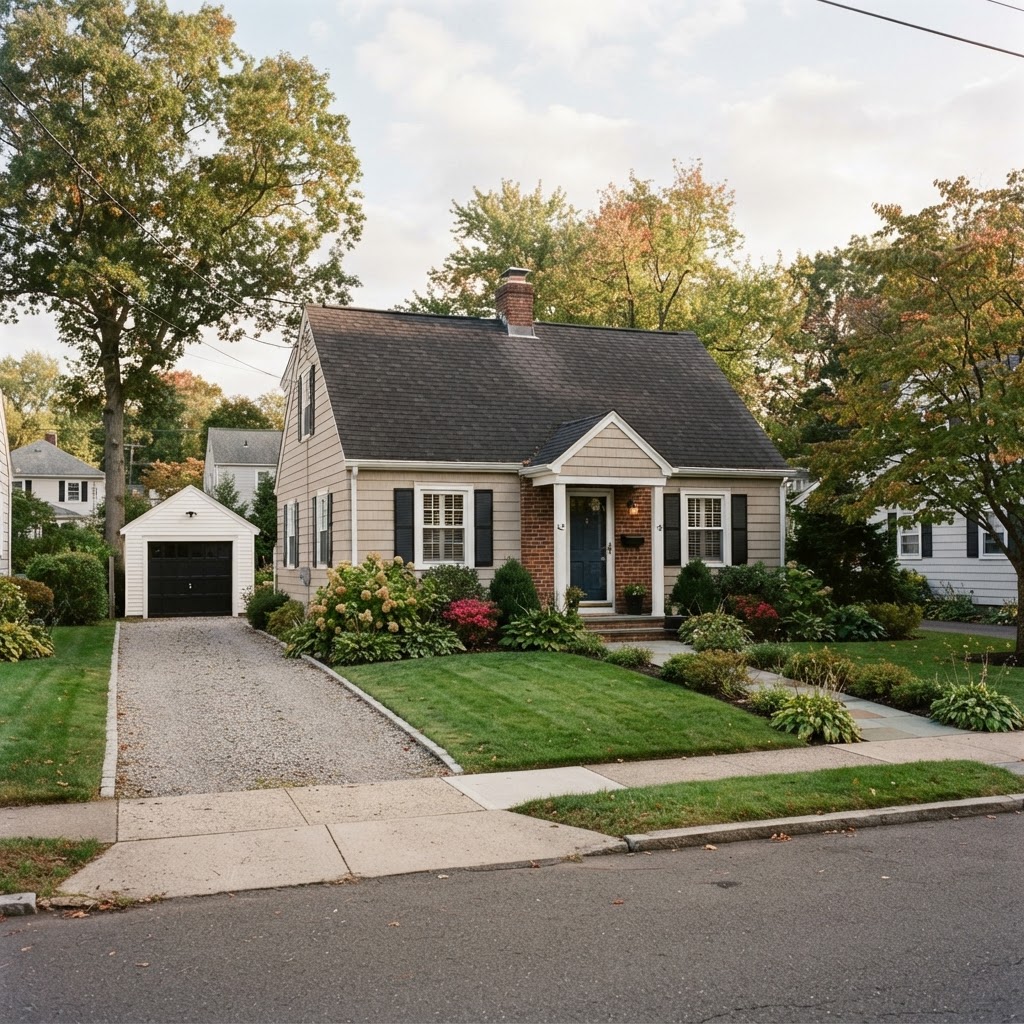
Trumbull, in pictures.
A few useful next reads.
BUYING
Buying a Home in Connecticut
The complete guide to understanding the buying process in Connecticut.
Read the Guide →HOME VALUE
Connecticut Home Value
Understand what your home is worth and how to think about value.
Read the Guide →RELOCATION
Moving to Connecticut
A guide for anyone considering a move to Connecticut.
Read the Guide →If Trumbull feels close, keep looking.
Fairfield
More coastal and more town-centered, with direct rail access and a stronger relationship to Long Island Sound, but generally less suburban separation at comparable locations.
Monroe
Quieter and more spacious, with a more rural-suburban edge and less immediate regional connectivity than Trumbull.
Shelton
More varied in housing and built form, with a larger commercial and employment base and a mix of suburban, rural-edge, and denser areas.
Find Connecticut by the way you want to live.
COUNTRY LIVING
More land, quieter roads, and a closer relationship with the landscape.
CONNECTED TOWNS
Regional access with a recognizable residential identity.
COASTAL CONNECTICUT
Shoreline, water, village centers, and Long Island Sound.
TOWN-CENTERED LIVING
A stronger relationship between home and everyday life around a central district.
Seeing the town is different from understanding whether it fits your move.
If Trumbull is beginning to feel like a possibility, the next useful step is to put the neighborhoods, homes available within them, your budget, commute, ownership costs, priorities, and nearby alternatives into the same context.